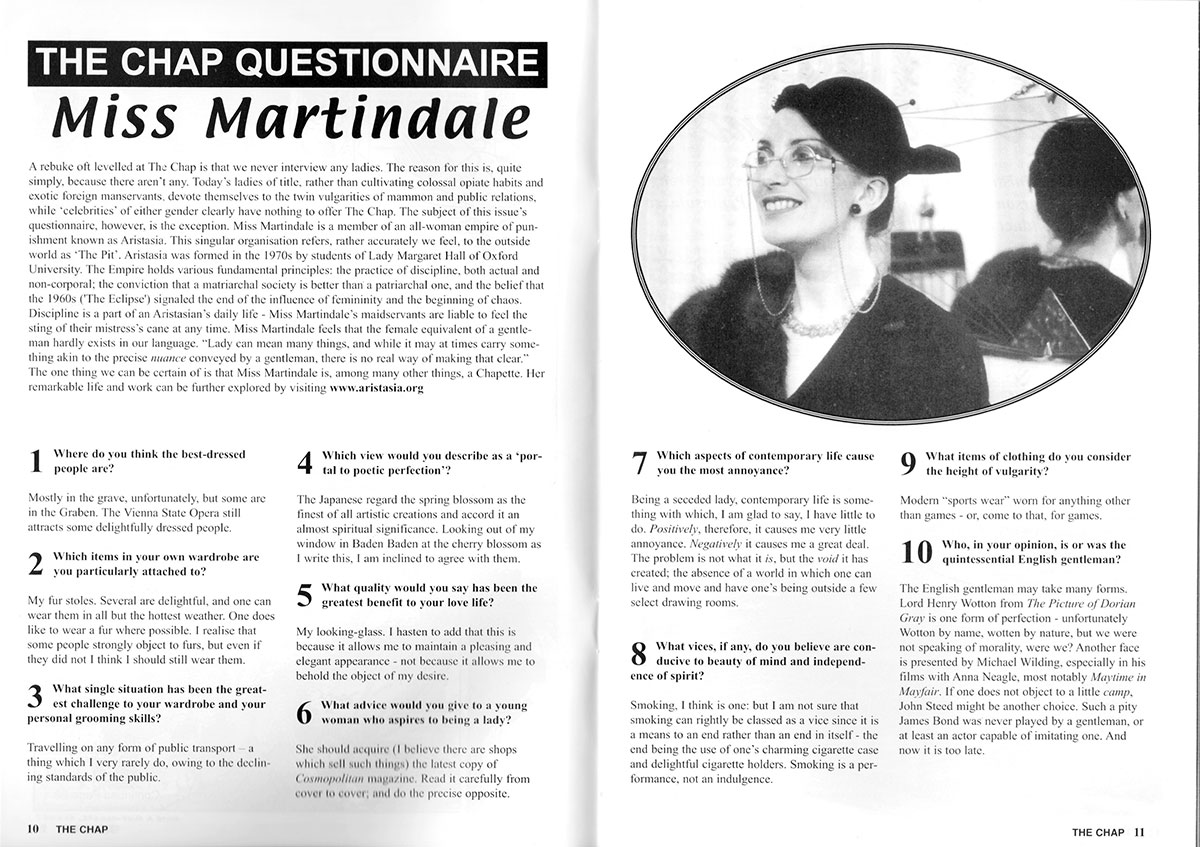
Gustav Temple recalls a near encounter with by far The Chap’s most singular columnist.
2004 was a busy year for The Chap, then five years into publication. The Sheridan Club held its very first meeting at the Wheatsheaf in Fitzrovia, a letter from Captain Rosco ‘Biscuits Fruit’ van Noote won the best letter competition in issue 23 and, in that same edition, we ran our first column entitled The Silver Vixen. Penned by Miss Martindale, the column had taken much longer to commission than usual, due to the elusive nature of this intriguing woman. Our first request to her had been to respond to The Chap Questionnaire, to which she gave some rather piquant replies. ‘What single situation has been the greatest challenge to your wardrobe?’ we asked, to which Miss Martindale replied, “Travelling on any form of public transport – a thing which I rarely do, owing to the declining standards of the public.”
It was quite clear that The Chap would hugely benefit from a more regular contribution from Miss Martindale, and thus began a series of further blandishments, all conducted via a PO Box in Mayfair, since she had provided no telephone number and no email address. Eventually, after many months, she agreed to pen a column for The Chap, and the first of these appeared in issue 23 under the title The Silver Vixen.

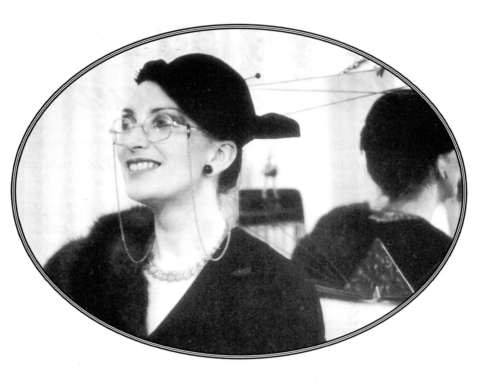
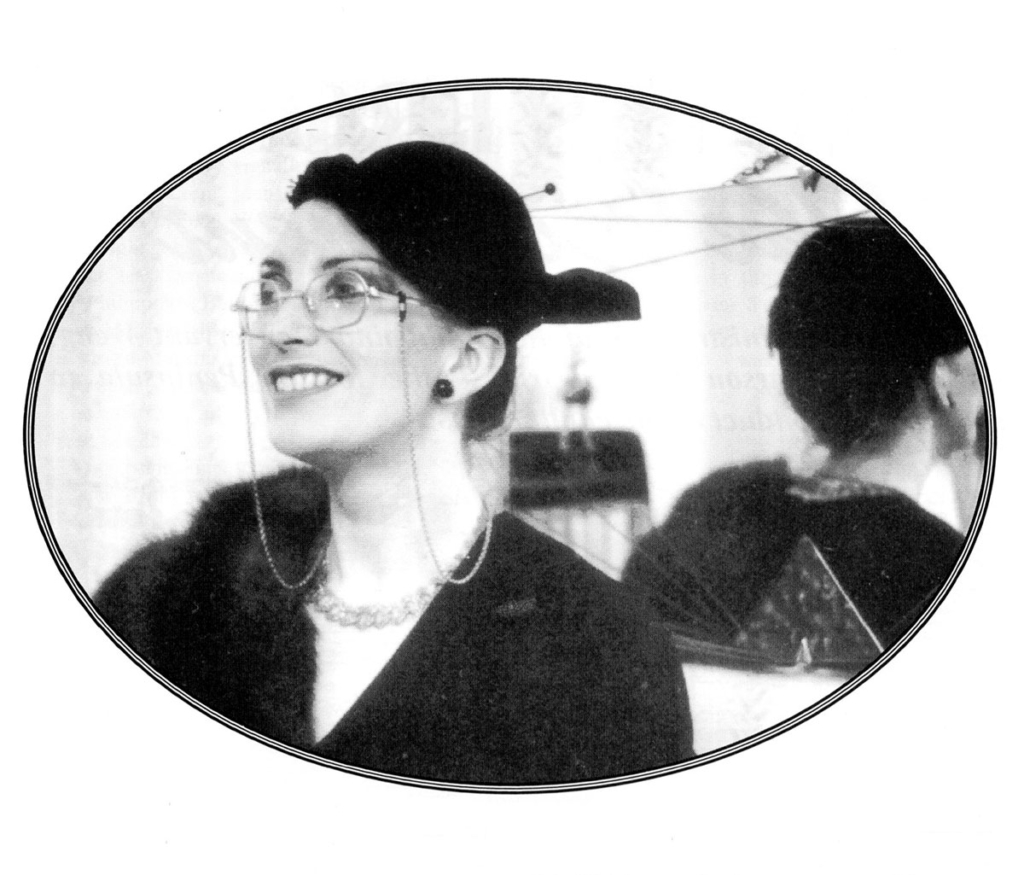
The column ran for only four issues, and then Miss Martindale suddenly disappeared. Even by then, we had still not met her, nor even spoken to her, except by letter. We had invited Miss Martindale to one of our early social gatherings, aboard HMS President on the Thames, and to our delight and curiosity she accepted the invitation. Until then, we had only been sent one photograph of our elusive columnist, which showed a rather attractive woman probably in her mid-thirties, wearing a fur stole and forties-style spectacles.
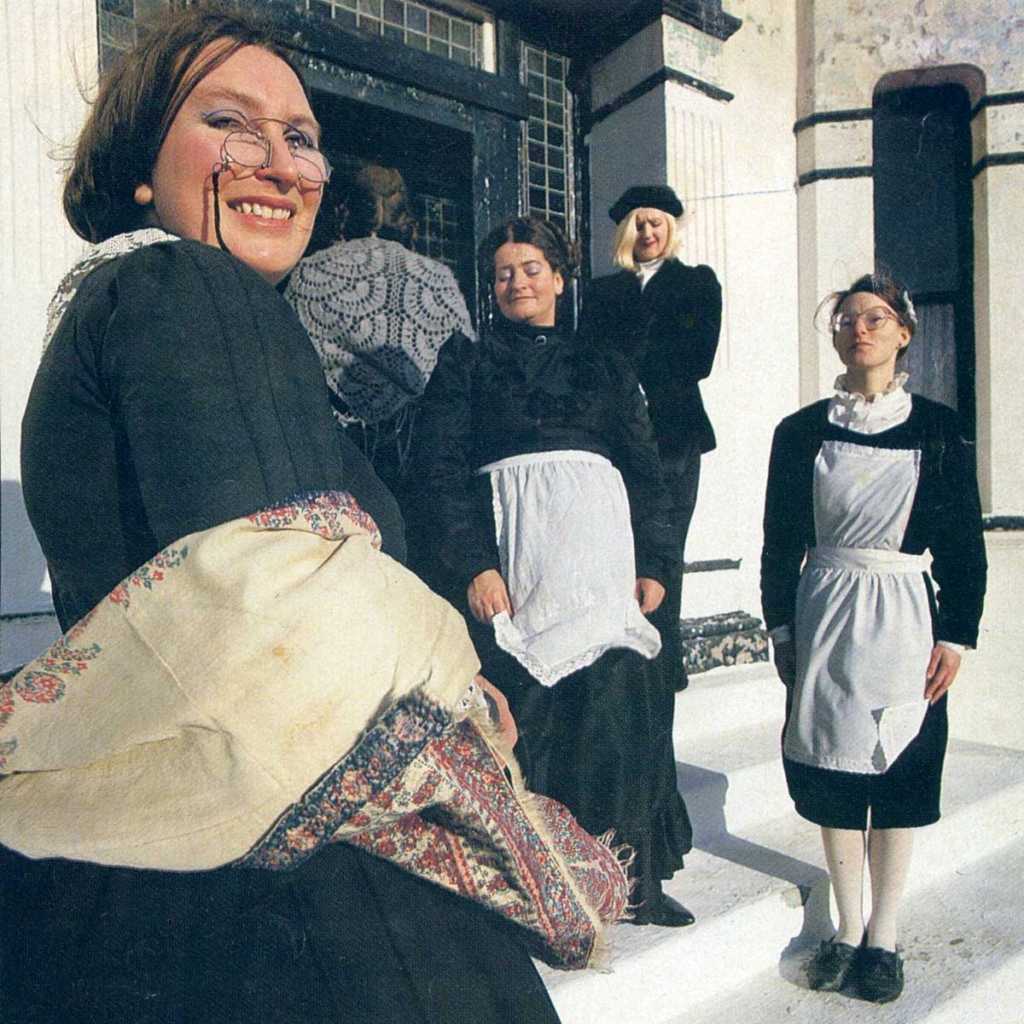
On the night of the party on HMS President, I approached several ladies who could have been Miss Martindale, yet none of them replied in the affirmative. Then a small group of women approached me, one of whom, to put it politely, did not resemble in the least the woman in the photograph we had been given. This lady was rather full of figure and bore the scar from a hare lip. She introduced herself as ‘Miss Martindale’, and I politely inferred how little she resembled the subject of that photo.
“There are many Miss Martindales”, said she, before disappearing back into the crowd. I never spoke to her again that evening. The column ran for one year and then Miss Martindale politely resigned from the commission, saying she was leaving the country.
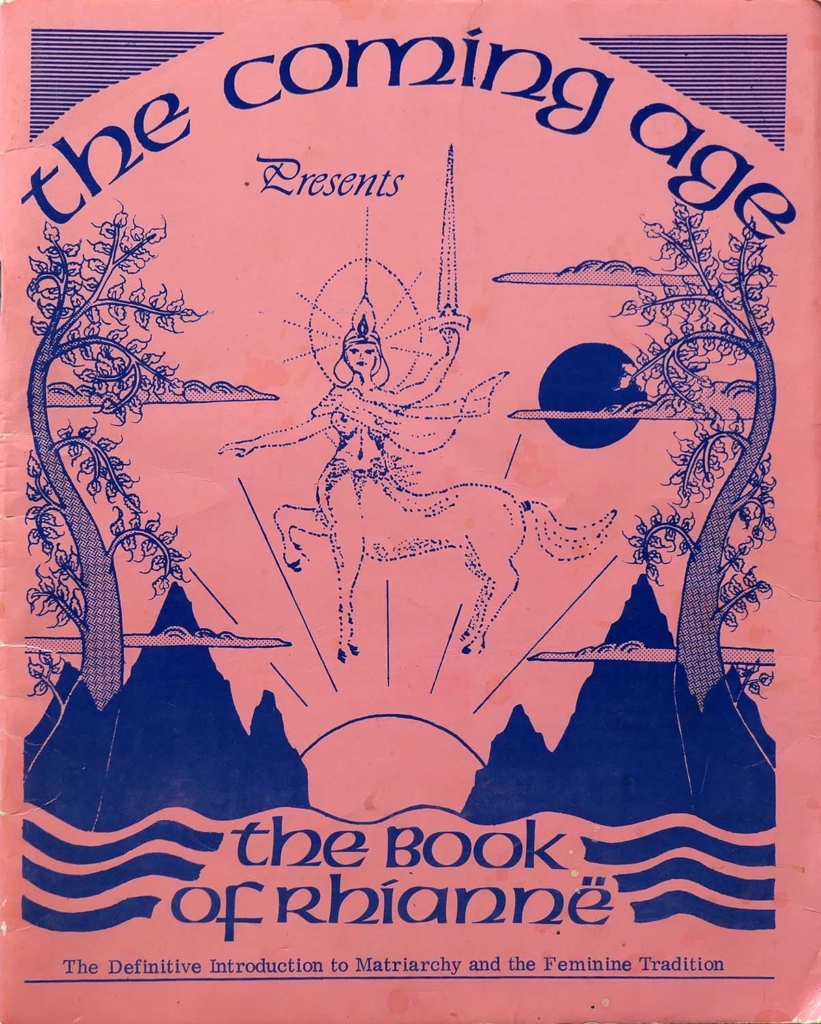
Until then, the only source of information about our columnist was a web site via which we had first approached her, called www.aristasia.org. This proved to a be a society of women called Aristasia, founded in the 1970s by Lady Margaret Hall of Oxford University, whose raison d’etre was a complete rejection of male hegemony, and the belief that all society had collapsed in the 1960s. Aristasians referred to the outside world as ‘The Pit’, preferring to closet themselves in a small inner circle of ladies who only dressed in clothing from the early 20th century. Their views, published in a short-lived pamphlet called The Book of Rhiannë, drew on pre-Hellenic, early Christian and Pagan sources to assemble an extreme matriarchal belief system, by which they lived in a remote part of rural Ireland.
The Aristasians had formed a sort of commune in a large house in Burtonport in County Donegal, where there were no electric lights, no television and a hierarchical family structure into which newcomers were welcomed, as long as they agreed to be treated like maids. There was no secret about the use of corporal punishment to maintain order in the household. Young women, responding to advertisements in British newspapers, would turn up, usually on the run from something or seeking a new life. They would be given an Edwardian maidservant’s costume to wear and told to clean the scullery. Any insubordination would be met with punishment by riding crop, usually at the hands of Miss Martindale herself, who was the supreme matriarch of the household. No men were permitted to cross the threshold.
The Aristasians would visit the local village to purchase groceries, initially treated with wary civility by the inhabitants. What the villagers saw from the outside of the house, called St Brides, was a well ordered household, the glow of candles and coal fires and evidence of well maintained crops in the garden. The Aristasians were apparently self-sufficient, but how could they afford to buy the groceries that were not grown in their garden?
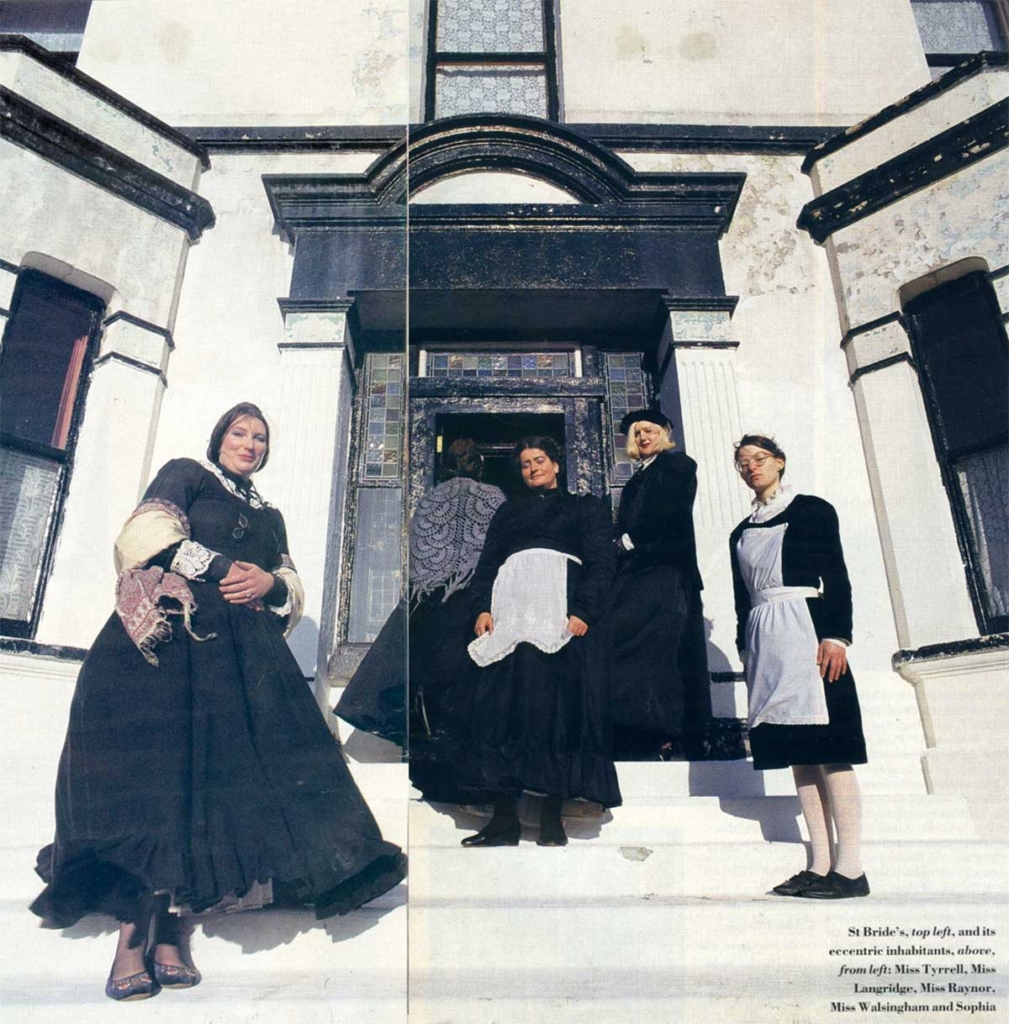
The answer only came out later, once the tabloid newspapers sniffed out the story, but it seemed that behind the façade of a quaintly old fashioned lifestyle, the Aristasians were far more plugged into the modern world than they let on. Hidden in one of the rear bedrooms was a complex computer system, wired into the mains, where several of the Aristasians built some of the earliest computer games for the Commodore 64 and Sinclair ZX Spectrum consoles. One of these games, still considered groundbreaking for its day, was based on Jack the Ripper, and was the first computer game to receive an over-18 classification.
When word got around about the peculiar habits of these quaint ladies, and their fondness for riding crops, they were made to feel less welcome by the villagers. Then, inevitably, there was a scandal. One of the women who had joined the Aristasians went to the police, accusing her hostess of violence towards her. With presumably no disclaimers being provided upon arrival, it would only have been a matter of time before someone objected to being birched for not sweeping out the fireplace properly.
The case went to trial and it was curtains for the Aristasians, who immediately fragmented. Miss Martindale herself – who it turned out was a real woman and was the woman in that photo we had published – returned to the UK and continued running the Aristasia web site, which was when we came across her. The reasons for her sudden departure are still a mystery, but we later heard that she had gone to live in California, where she subsequently was married (to a fairly well-known film producer). The others in the group disappeared and Aristasia was shut down.
Miss Martindale still lives in California, working as a counsellor. She is still very unapproachable, but the last we heard was that she no longer wears fur stoles or smokes through an elegant cigarette holder. You may read the first of her columns here: The Silver Vixen