Muriel Annie Thompson, the girl from the Granite City who broke records on tarmac at Brooklands and still found time to become a decorated War heroine.
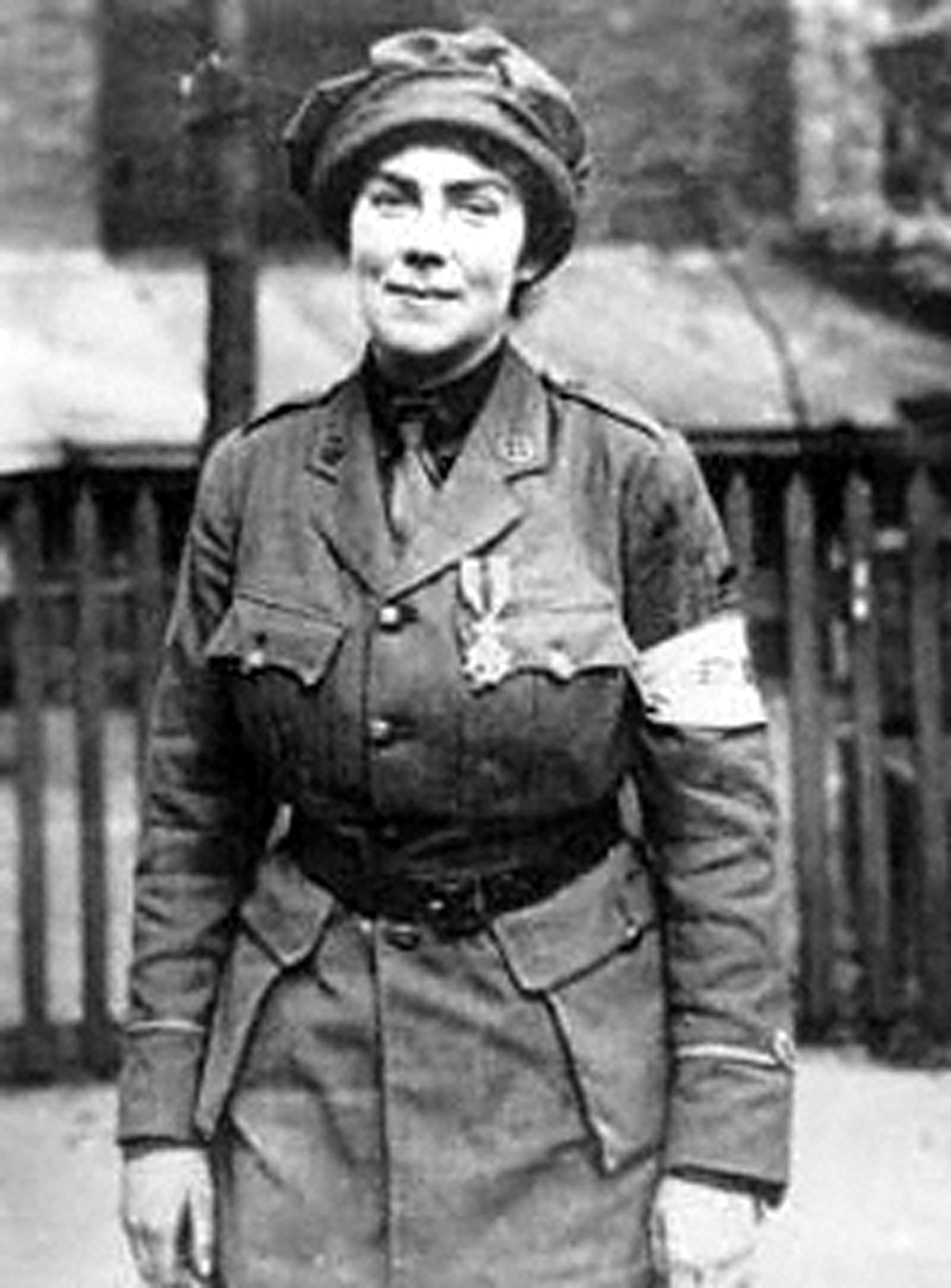
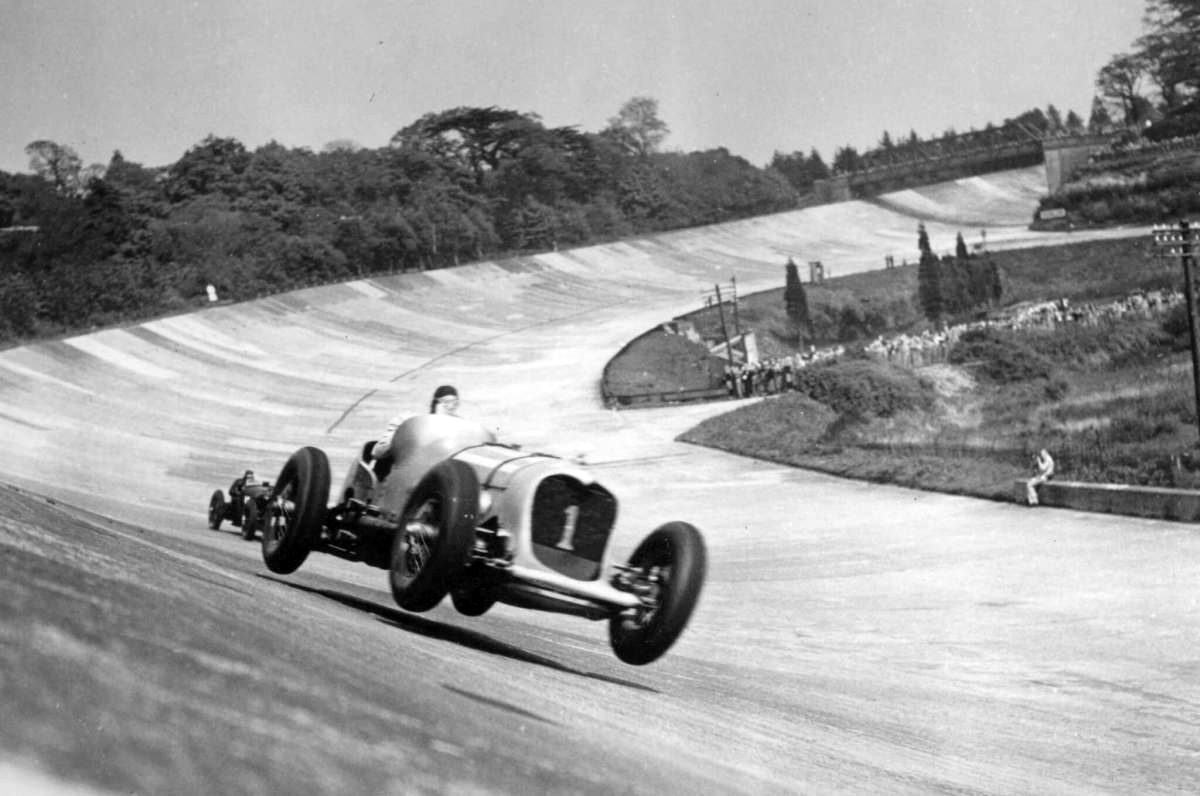
Born in 1875 in the Granite City of Aberdeen to Scottish aristocracy, Muriel Anne Thompson was schooled and raised in London where she and her brothers, Walter and Oscar, moved with the Edwardian Fast Set, quite literally. The young Thompsons had developed a passion for the novel technological revolution that was the automobile, and it is scarcely surprising to find their names linked with the Locke Kings of Weybridge. In 1907, the breathtakingly wealthy Hugh Locke King had set aside a few hundred acres of his extensive Surrey estate to raise a concrete paean of praise to the nascent sport of motoring, in the shape of the Brooklands Racing Circuit. The track was two and three-quarter miles in length, with pitched banks 23 feet high at its sharper turns, diverting rivers and crossing marshland with equal insouciance. The engineering brilliance, scale and sheer rapidity of its construction earned it the well-deserved soubriquet of a latter-day Wonder of the World. And, almost before the concrete was even dry, the Thompsons had taken to the tarmac.
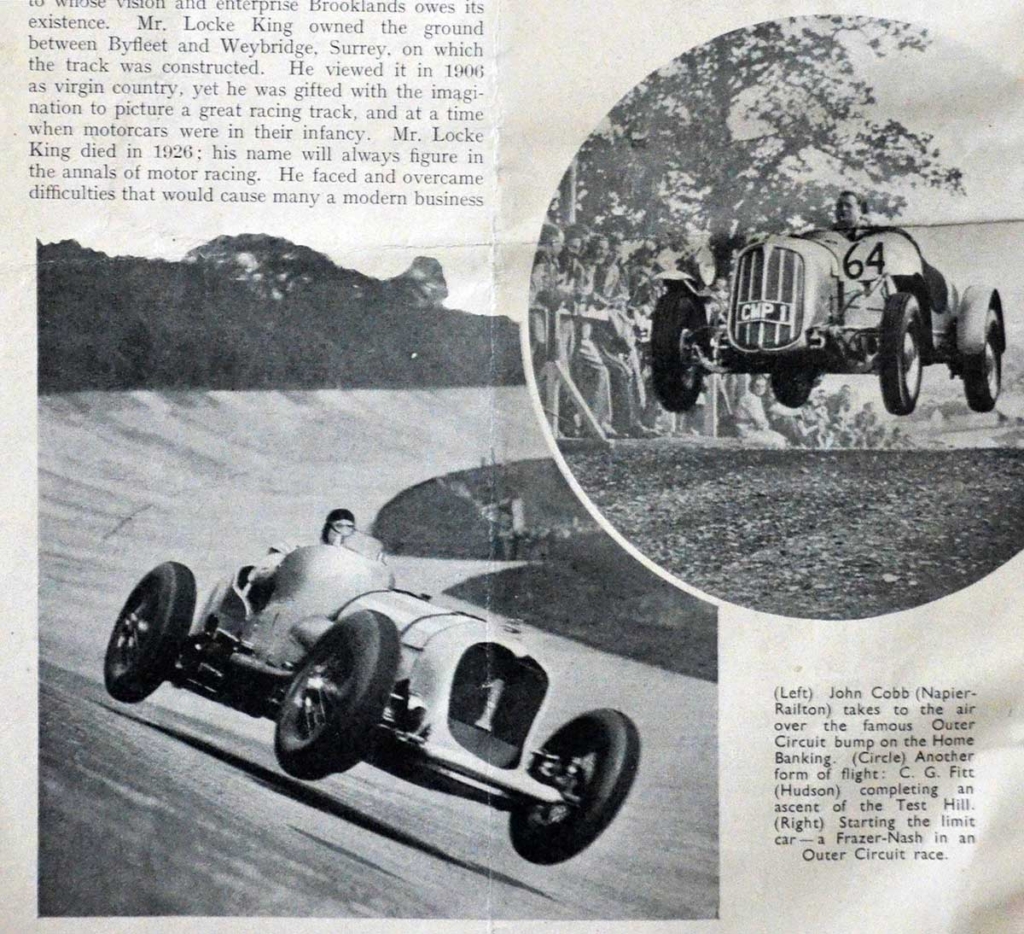
Although all three Thompsons were big noises in the foundation of the Brooklands Automobile Racing Club, it was Muriel who particularly distinguished herself. On 4th July 1908, driving Oscar’s Austin racing car – nicknamed Pobble – she won the Ladies Bracelet Handicap, the first race held there for female drivers. Her speed over three miles, dutifully recorded by the Clerk of the Course, was a shattering 50 m.p.h.
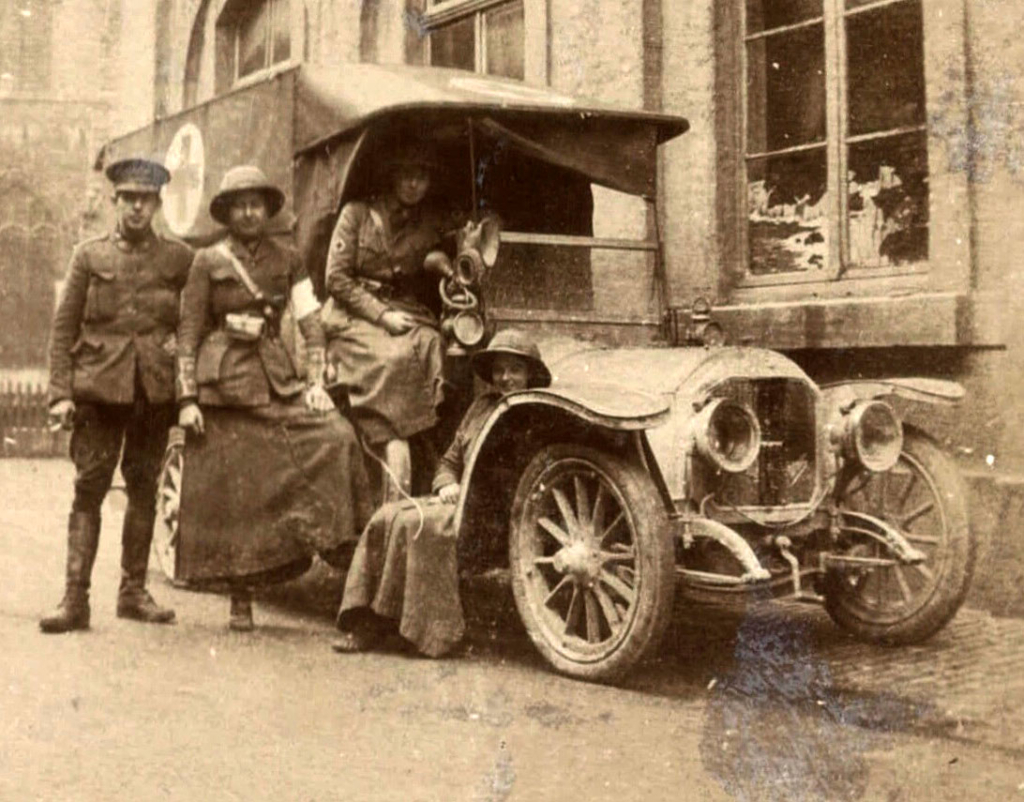
Photo courtesy of fany.org.uk
At the outbreak of the Great War, the male Thompsons numbered amongst that moneyed elite who, too advanced in age sensibly to enlist, did their bit for King and Country by doing what they did best: driving. The fine lines of Oscar’s Austin were surrendered to a higher cause. Pobble became an ambulance, and Oscar volunteered both the vehicle and his services to the French. Not to be outdone, Muriel, at her earliest convenience, joined the FANY.
The First Aid Nursing Yeomanry had been founded in 1907 by a former cavalry sergeant major, Edward Baker. Baker’s experiences in the South African War inspired him to recruit, equip and train a band of equestrian Nightingales, whose mobility and medical skills would no doubt have saved many a life on the veldt. By 1914, however, the forward-thinking FANYs had abandoned their four-legged friends and become mechanised. They took Miss Thompson like a shot and within a month of her recruitment she was in Belgium. Five weeks later she was personally decorated by King Albert with the chevalier de l’ordre de Leopold II. A goodly number of his subjects, evacuated by Muriel while under fire near Dixmude towards the end of February, owed her their lives. “All the time the larks were singing and the shrapnel was going on,” she casually observed on that date in her diary. The girl from Granite City had spawned a granite temperament.
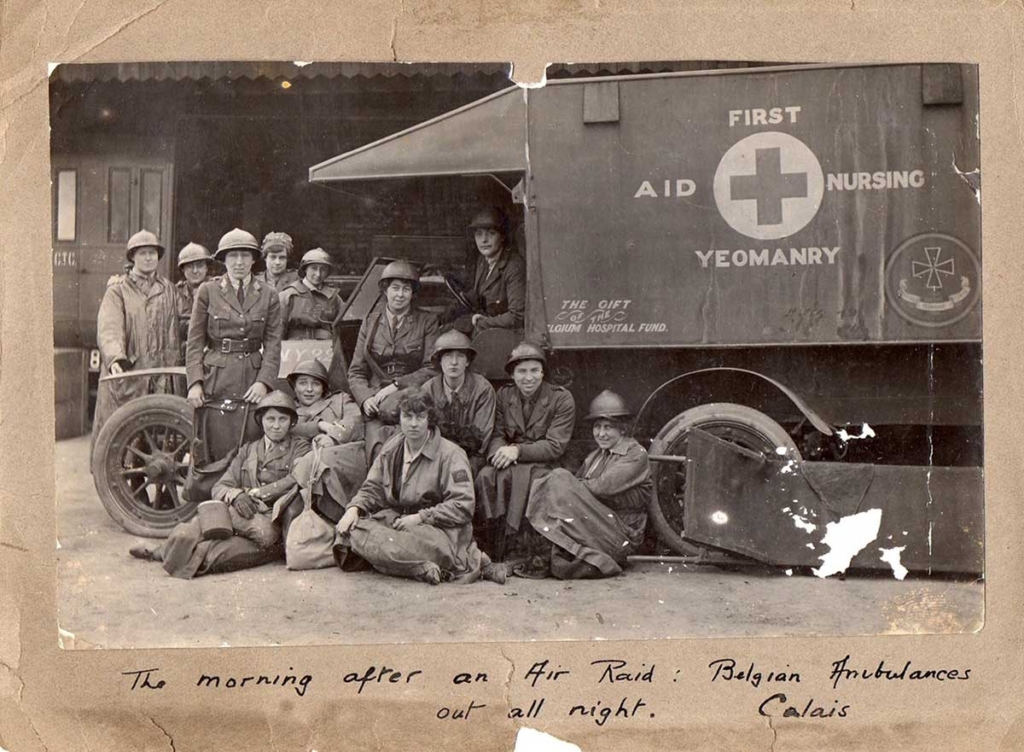
Photo courtesy of fany.org.uk
Thompson kept up the good work pretty much for the duration. Her diary evinces an extraordinary pragmatism and invincible good humour:
April 17th. Flossie’s [her ambulance’s] carburettor flooded after lunch. I hit it with a spanner and it revived. Parcels arrived from England – joy! A cake from Buzzard, also a lovely oil pump and pliers, just what I wanted.
In May 1918, her spectacular sang-froid earned her the esteem of another nation as she and her section continued to help and move the injured during a bombing raid on an ammunition dump near Arques. At the insistence of the French and British officers who had witness this remarkable act, Muriel Thompson, along with a number of her colleagues, was awarded the Military Medal, and the Croix de Guerre. Nevertheless, her nephew’s death at Passchendaele the previous autumn had hit her hard. Exhausted, she returned to England in September after three and half years of continuous service.
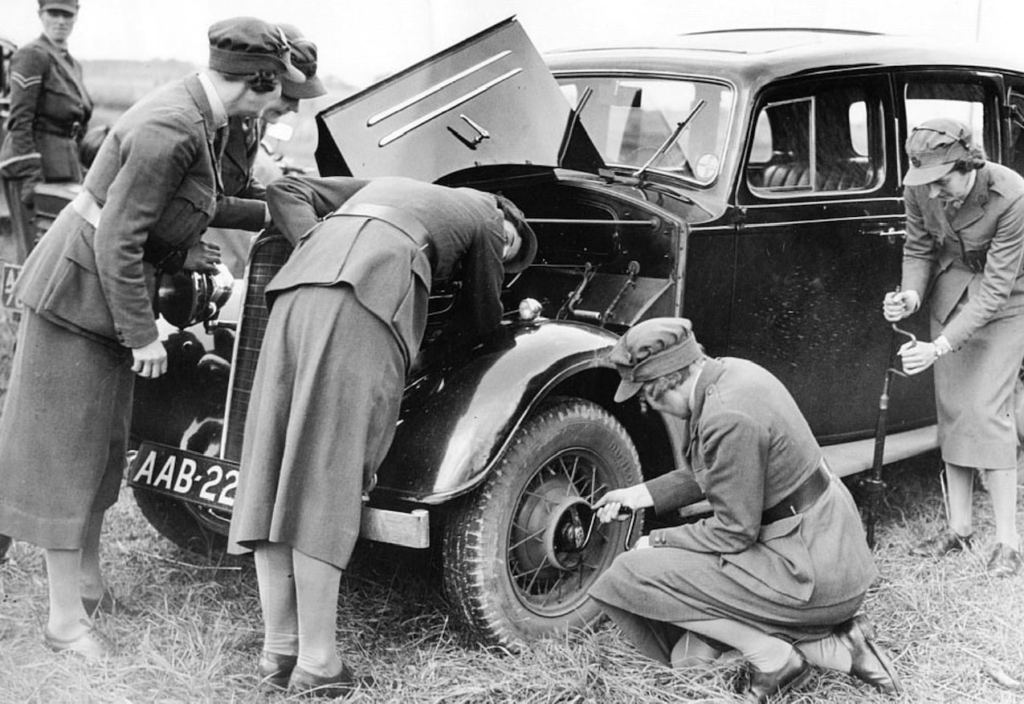
Photo courtesy of fany.org.uk
A century later, fragments of the Brooklands Race Track remain as mute testament to the might and menace of Muriel Thompson’s time, lovingly conserved by the Brooklands Trust Museum. The FANY, likewise, carries on a proud tradition of voluntary service, for example running the Casualty Bureau and assisting the Metropolitan Police during the London bombings of 2005. One harbours a fond notion that over both hovers the shadow of Miss Muriel Annie Thompson, perhaps at the spectral wheel of her Cadillac ‘Kangaroo’, nodding her approval.